
 By Ukumbi Afrika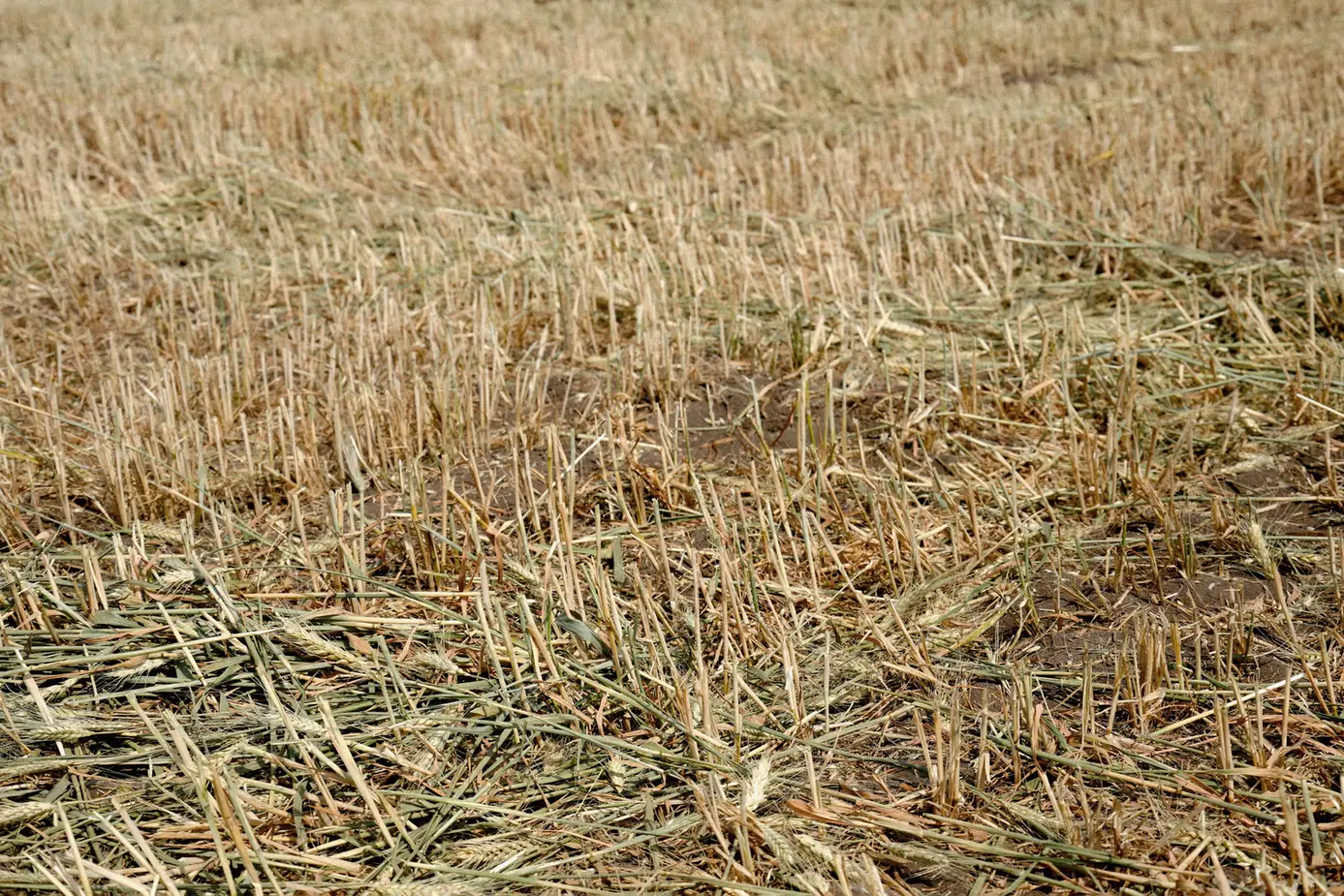
Capetown—South Africa’s wheat harvest is facing growing pressure from a severe lack of winter rainfall in the country’s key Swartland growing region, with farmers warning that up to 30% of crop potential could already have been lost.
The warning comes as wheat planting area has fallen to its lowest level in 97 years, raising further concerns about South Africa’s food-security resilience and dependence on imports.
Swartland rainfall down 79%
Swartland, in the Western Cape, produces about 20% of South Africa’s wheat and has received 79% less rainfall than its 10-year winter average between June and August, according to GrainSA.
The farmers’ organisation said some producers estimate that 25% to 30% of their crop potential may have been lost, in addition to the decline in the area planted.
“Grain producers are facing another extremely difficult production season, ” GrainSA said.
The government’s Crop Estimates Committee on Thursday forecast the 2026 wheat harvest at 1.76 million metric tons, an 8% decline from the previous year.
Western Cape production is expected to fall by 11%, after the area planted in the province declined by 9%.
Profitability adds pressure
Poor weather is not the only factor weighing on production. Analysts say farmers have also reduced wheat planting because production costs have risen faster than grain prices, while some have shifted to more profitable crops.
South Africa produces roughly 2 million tons of wheat a year, but imports a similar volume to meet domestic demand.
Most wheat is planted during the country's winter season, making the Western Cape's rainfall particularly important to national supply.
Farmers call for crop insurance support
GrainSA is urging the government to introduce affordable crop insurance to help producers manage increasingly severe climate-related risks.
“Government cannot continue to regard climate risk as the farmer's problem alone, ” GrainSA CEO Tobias Doyer said.
He warned that when a farmer fails, the consequences extend beyond the individual business to production capacity, employment, agricultural skills and infrastructure — ultimately weakening South Africa’s food-security resilience.
A smaller domestic wheat harvest could increase South Africa’s reliance on imports at a time when drought and extreme weather are affecting agricultural production in several parts of the world.
For consumers, weaker local production could add pressure to food prices, particularly if global wheat markets tighten or import costs rise.
Source: Reuters
Reporting: Nelson Banya
Editing: Barbara Lewis